Whether you are building you own rig or buying a complete PC, here are some ideas for you at my Amazon Storefront.
Weekend Movie Ideas
Trying to pick a weekend movie and realized my taste is basically “chaos, romance, or jazz… sometimes all three.”
First up: Adam’s Rib — a 1949 gem where a married couple decides the best way to test their relationship is to argue a high‑profile attempted‑murder case against each other in court. Nothing says love like “I object.”
Then there’s Casablanca, for when you want classic romance, smoky drama, and the kind of trench‑coat coolness none of us will ever achieve in real life.
And if you’re feeling modern and musical, La La Land is right there waiting to break your heart with tap shoes, jazz, and dreams that cost way more than rent.
So that’s my weekend lineup at my Amazon Storefront with compensated links. Pick your flavor of emotional damage and enjoy.
Personal Tech
“Personal tech” usually refers to gadgets you use individually for communication, productivity, or entertainment. The most closely associated categories are:

Mobile Devices: Smartphones and tablets.
Wearables: Smartwatches, fitness trackers, and Oura rings.
Audio: Wireless earbuds (like AirPods), noise-canceling headphones, and portable speakers.
Computing: Laptops, Chromebooks, and their essential accessories (mice, keyboards).
Smart Home: Personal assistants (like Alexa/Google Home) and smart lighting.
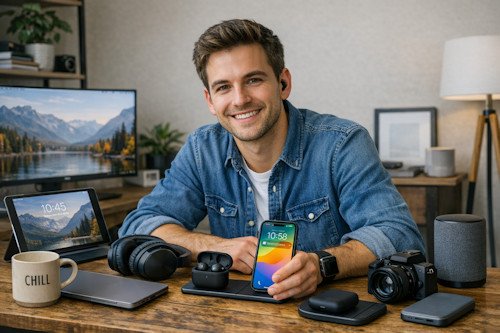
The future of personal tech is moving toward something quieter, more adaptive, and more human. The next decade will not be defined by a single breakthrough device but by a shift in how technology blends into daily life. Instead of louder features and bigger specs, the real transformation will come from systems that understand context, reduce friction, and support identity and creativity in subtle ways.
Personal Tech as an Invisible Layer
The most important change ahead is that personal tech will stop feeling like “tech.” Devices will fade into the background as intelligence moves into the environment.
- Homes that anticipate routines instead of reacting to commands
- Wearables that monitor health without dashboards or constant alerts
- Interfaces that appear only when needed and disappear when not
The goal is not more screens but fewer interruptions.
Contextual Intelligence Everywhere
AI will shift from being a tool you open to a layer that interprets your intent.
- Systems that understand what you are trying to do, not just what you say
- Devices that coordinate with each other without manual setup
- Personal models that learn your preferences and adapt over time
This is the beginning of ambient computing, where the user no longer has to manage the system. The system manages itself.
Tech as Personal Expression
As hardware matures, design and identity will matter more than raw performance.
- Customizable interfaces that reflect mood and personality
- Wearables that function as fashion as much as utility
- Workspaces that blend aesthetics, ergonomics, and storytelling
People will choose devices the way they choose clothing or furniture. Personal tech becomes part of personal style.
Modular and Upgradable Gear
The next wave of hardware will be modular, repairable, and built to last longer.
- Snap in components for cameras, storage, sensors, and batteries
- Creator gear that evolves with skill level
- Home tech clusters that scale without replacing everything
This shift is driven by sustainability, cost, and the desire for gear that grows with the user.
The Rise of Mobile Studios
Creators, freelancers, and remote workers will push personal tech toward portable capability.
- Pocket sized production tools
- Lightweight rigs that replace full studios
- AI assisted editing, writing, and design on the go
The line between professional and personal gear will blur. Your studio will be wherever you are.
Privacy as a Feature, Not a Setting
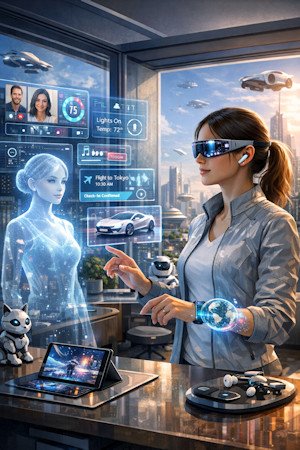
As personal tech becomes more intimate, privacy will become a primary selling point.
- Local processing for sensitive data
- Transparent data controls that are easy to understand
- Devices that default to minimal data collection
Trust will be a competitive advantage.
Tech That Understands Human Rhythms
The next generation of devices will adapt to emotional and cognitive states.
- Systems that reduce notifications when stress is high
- Interfaces that simplify when focus is needed
- Tools that help manage time, energy, and attention
This is the shift from productivity tech to well being tech.
What This Future Feels Like
The future of personal tech is not louder, faster, or more complicated. It is calmer, more intuitive, and more personal. It supports creativity, reduces friction, and adapts to the rhythms of daily life. It becomes a partner rather than a taskmaster.