
Personal technology is no longer just about devices. In today’s connected world it’s about experiences powered by AI, context, and connectivity. The biggest shift is that technology is becoming more invisible, integrated into everyday life rather than something users actively operate.
1. AI Is Becoming the Core of Every Device
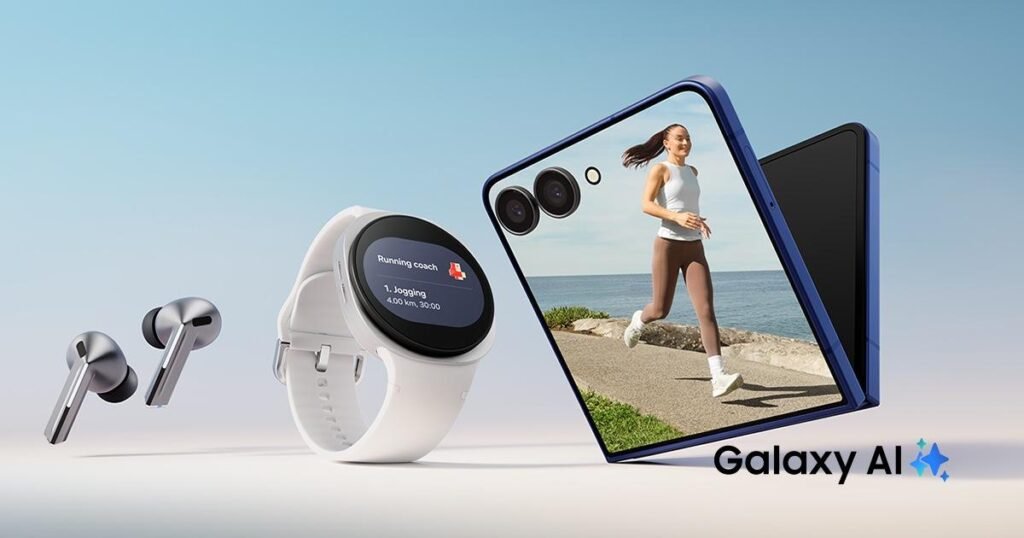
Artificial intelligence has moved from a feature to the primary value driver in personal tech.
Major brands like Apple, Google, and Samsung are embedding AI deeply into their ecosystems. Instead of relying on cloud processing, many devices now run AI directly on-device.
Key developments:
- Real-time translation in earbuds and phones
- AI-powered photo and video editing
- Predictive assistants that anticipate user needs
- Automated task execution (“agentic AI”)
This shift toward on-device AI improves speed, reliability, and privacy since data doesn’t need to leave the device.
2. Smartphones Are Evolving
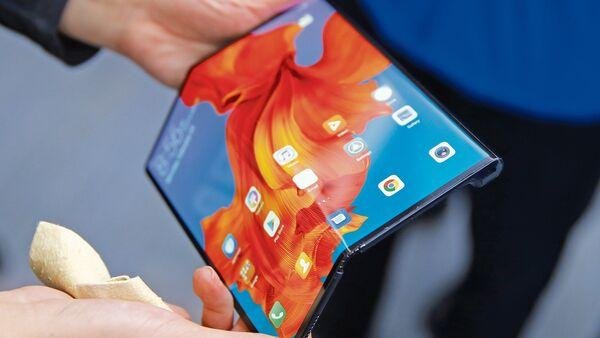
Despite predictions of their decline, smartphones remain the hub of personal tech, but they are changing.
Flagship devices from brands like Samsung (Galaxy series), Apple (iPhone), and Google (Pixel) now emphasize:
- AI-native operating systems
- Creaseless foldable displays
- Massive battery improvements
- Advanced camera systems with computational photography
At the same time, upgrade cycles are slowing, pushing companies to differentiate through software and AI capabilities rather than raw hardware.
3. The Rise of Wearables and “Ambient” Devices
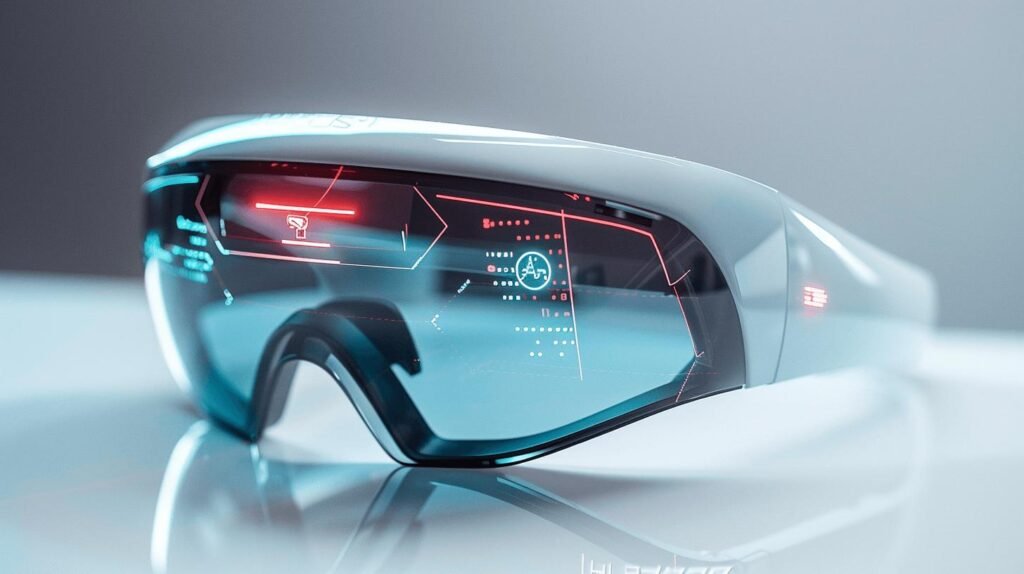
Wearables are entering a new phase, moving beyond fitness tracking into continuous, context-aware computing.
Companies like Meta, Google, and XGIMI are investing heavily in smart glasses, AI assistants, and new form factors.
Emerging categories include:
- Smart glasses with AR overlays and voice assistants
- Smart rings focused on sleep and health tracking
- AI-powered earbuds (“hearables”)
- Screenless AI devices and wearable assistants
The wearable market is expected to reach hundreds of billions in value, reflecting growing consumer adoption.
A recent example is the MemoMind AI glasses, designed to deliver productivity features like navigation and translation without drawing attention, highlighting the trend toward subtle, always-on tech.
4. Ambient and Contextual Computing
One of the most important shifts is toward ambient intelligence, technology that works in the background.
Instead of opening apps, users increasingly rely on systems that:
- Understand context (location, schedule, behavior)
- Proactively suggest actions
- Integrate across multiple devices
Tech companies are racing to build assistants that go beyond voice commands and become true digital companions capable of managing workflows across apps and services.
5. Edge Computing and Privacy-First Design
As AI becomes more personal, privacy concerns are growing.
To address this, companies like Qualcomm and Apple are pushing edge computing, where data is processed locally on devices.
Benefits include:
- Faster response times
- Reduced cloud dependency
- Greater control over personal data
However, the balance between convenience and privacy remains a major challenge, with increasing scrutiny on how companies collect and use user data.
6. Health and Biometric Technology Boom
Health-focused technology continues to be a major driver of innovation.
Devices from brands like Fitbit and Apple (Apple Watch) are evolving into advanced health monitoring systems.
New capabilities include:
- Continuous heart rate and sleep analysis
- Stress and recovery tracking
- Early detection of potential health issues
Wearables are shifting from passive tracking to actionable health intelligence, making them essential tools for everyday wellness.
7. New Interfaces: Beyond Screens
The future of personal tech is moving beyond traditional screens toward:
- Voice-first interfaces
- Gesture controls
- Augmented reality overlays
Companies like Meta and Google are exploring post-smartphone interfaces, though it’s still unclear which form factor will dominate.
Conclusion: A More Personal, Invisible Tech Future
The defining trend of personal technology in 2026 is simple: technology is becoming more personal by becoming less visible.
Instead of interacting with devices directly, users are beginning to rely on:
- AI that anticipates needs
- Wearables that blend into daily life
- Systems that operate seamlessly in the background
Brands like Apple, Google, Samsung, and Meta are all competing to define this next era.
The result is a shift from devices you use – systems that assist you – intelligence that understands you, and that may be the most significant transformation personal tech has ever seen.